
How to Build a Powerful Brand for Your Ecommerce Business
One of the most competitive business environments in the world today is e-commerce. With trillions of dollars passing through digital storefronts and annual growth in worldwide online sales, standing out is now necessary rather than voluntary.
Nowadays, customers may purchase nearly everything online, including apparel, cosmetics, home furnishings, handcrafted items, specialty foods, and more. Every day, new e-commerce companies are introduced, giving consumers an excessive number of options. You need a strong, recognizable brand in addition to high-quality products if you want your online store to be successful.
E-commerce branding is useful in this situation.
A strong brand enables you to stand out from the competition, grab attention, establish credibility, and convert infrequent visitors into devoted clients. Let’s look at how to start from scratch and develop a unique e-commerce brand.
Understanding the Basics of Ecommerce Branding
It’s crucial to comprehend what branding actually entails before you begin creating logos or selecting colors. Since branding is frequently misinterpreted, let’s dissect it into three main ideas:
Brand
People’s perception of your company is shaped by your brand. It’s the thoughts and emotions that consumers have when they see your name, go to your website, or purchase your goods.
Branding
The active practice of influencing that perception is known as branding. It’s the deliberate use of design, message, and customer experience to convey your identity and values.
Brand Identity
The physical components that make up your brand, such as your logo, website, packaging, tone of voice, and images, are all part of your brand identity.
For an e-commerce business to succeed, all three must function in unison.
Questions to Answer Before You Start Branding
Effective branding begins with clarity, despite the temptation to dive right into design and marketing. Spend some time addressing these important considerations before developing your e-commerce brand:
Who are you as a brand?
Businesses have personalities, just like people. Are you sophisticated or daring? Kind or powerful? Expressive or minimal? Every branding choice you make will be guided by the definition of your brand personality.
How would you describe your brand in three words?
You may maintain consistency and focus in your branding by focusing on a small number of defining characteristics.
What are your competitors doing—and how can you be different?
Do thorough research on your rivals. Determine their strong points and areas for improvement. Instead of copying, you want to get better and stand out.
What is your mission and what do you value?
Values are important to modern customers. Whether it’s community, sustainability, innovation, or transparency, your audience should be moved by your goal.
Who is your ideal customer?
Without understanding your target audience, it is impossible to develop a powerful brand. Clearly identify your target market, including their age, hobbies, difficulties, and reasons for purchasing.
What does your ideal customer expect from an ecommerce brand?
Your brand should satisfy a need or address an issue. Make sure your branding reflects what your target market is actively seeking.
Honest answers to these questions build a solid foundation that facilitates and improves branding decisions.
Defining Your Point of Difference (POD)
Differentiation is crucial in a crowded e-commerce sector. What distinguishes your brand and provides clients with an incentive to pick you over rivals is your point of distinction.
Your POD might be:
- Sustainable and moral sourcing
- Excellent product quality
- Outstanding client support
- Creative functionality or design
- A distinctive brand narrative
Your unique selling proposition should be evident across all platforms, including your packaging, social media presence, and website copy.
If you’re not sure what distinguishes your brand, consider the following:
- What makes us superior to others?
- Why do clients pick us?
- What do we firmly believe in?
A strong and genuine brand position will be defined in part by your responses.
Building a Strong Brand Identity
It’s time to make your brand come to life both orally and visually once your plan is defined.
Typography
Personality is conveyed through fonts. Sans-serif typefaces are clean and contemporary, but serif fonts are typically traditional and reliable. For brands that are young or creative, script or whimsical typefaces perform nicely. Select typefaces that convey the personality of your brand.
Color Palette
Emotions are influenced by color. Bright colors imply vitality and inventiveness, black denotes elegance and refinement, while green frequently denotes nature and health. Choose a color scheme that aligns with the expectations of your audience and your brand statement.
Shapes and Forms
While rounded, organic shapes feel soft and natural, sharp, angular designs feel contemporary and technologically advanced. The tone of your brand should be reflected in your logo and other visual components.
Brand Voice
How you communicate with customers is determined by your brand voice. Regardless of whether your voice is edgy, bold, professional, or welcoming, it should be the same on all platforms.
Essential Brand Elements for Ecommerce Success
Before launching, any e-commerce brand must have these essential components in place:
- Logo: One of your most identifiable assets and the face of your company.
- Website: Your main sales channel; it ought to be aesthetically pleasing, user-friendly, and consistent with your brand.
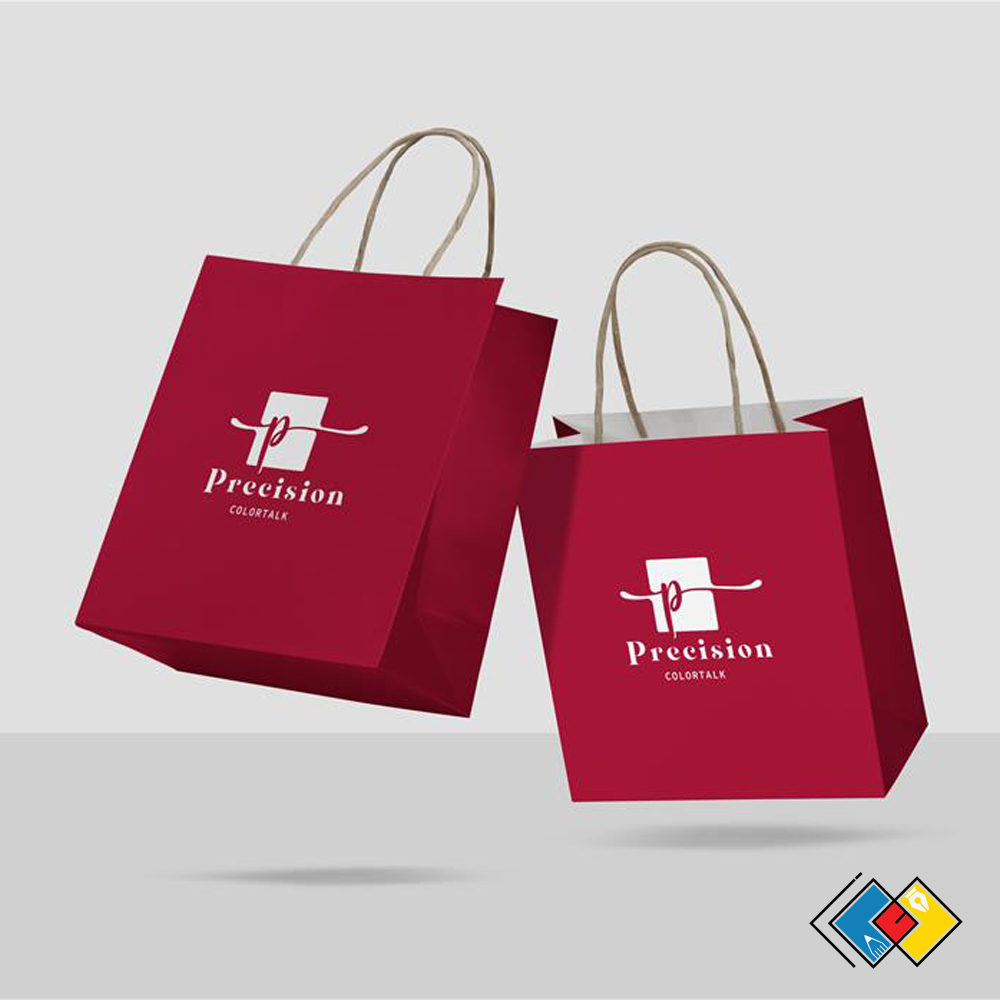
- Packaging: A great way to wow clients and make the unwrapping experience unforgettable.
- Business Cards: helpful for partnerships and offline networking.
- Branded Merchandise: Stickers and clothing are examples of items that can increase brand awareness and loyalty.
A consistent narrative about your brand identity should be conveyed by each of these components.

Maintaining Brand Consistency Across Platforms
Whenever consumers engage with a successful e-commerce brand, they receive a consistent experience. This comprises:
- Website
- Social media
- Email marketing
- Paid ads
- Influencer collaborations
- Partnerships and PR
Trust and recognition are developed via consistency. Your emails and social media posts should have the same dramatic color scheme and tone as your website. Make sure the influencers you work with share the same values as your audience.
A consistent brand presence gives your company a polished, dependable, and memorable feel.
The Role of Customer Service in Ecommerce Branding
One crucial—and frequently disregarded—aspect of branding is customer service.
Great service:
- Builds trust
- Improves convenience
- Encourages repeat purchases
Your brand identity should be reflected in the way you serve customers. Your return and support procedures should be simple if your brand promises to be simple. Your encounters with customers should seem warm and intimate if your brand is approachable and relationship-focused.
To ensure that every interaction upholds your brand image, teach your support staff to speak in your brand voice.
Final Thoughts: Build a Brand That Lasts
Despite its seeming complexity, e-commerce branding is fundamentally about connection, clarity, and consistency. Branding turns into a potent growth tool when you know who you are, who you serve, and how you distinguish.
Your e-commerce company will not only survive, but flourish if you make the investment to create a brand that embodies your principles, connects with your target market, and provides a consistent experience across all touchpoints.
It’s time to put what you’ve learned into practice and begin creating a brand that consumers will remember and trust.