
Digital Marketing Tips for Small Businesses: 7 Simple Steps
Digital Marketing for Small Businesses: A Simple 7-Step Action Plan
Digital marketing doesn’t have to be difficult or intimidating. Real success for small businesses frequently results from steady execution, consistent branding, and clear planning rather than attempting to achieve everything at once.
This seven-step checklist is intended to provide you with guidance—a useful road map to assist you in developing, enhancing, or perfecting your digital marketing plan. These methods will assist you in developing a clean, efficient, and results-driven online presence, regardless of whether you’re just getting started or want to bolster your current efforts.
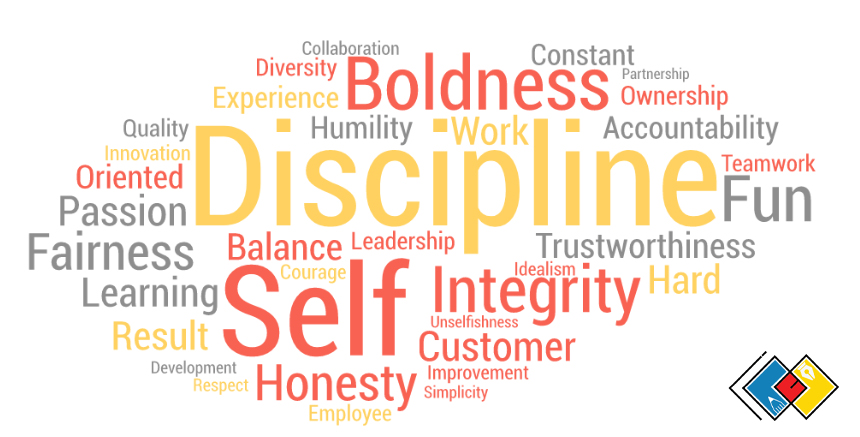
Step 1: Build a Clear and Consistent Brand Identity
Knowing who you are as a brand is essential before promoting anything online.
More than just a logo, a successful brand identity encompasses the character, principles, and promise of your company. It helps clients remember you, establishes expectations, and fosters trust.
Decide what your company stands for first. Consider this:
- What are we trying to accomplish?
- Which values influence our choices?
- What distinguishes us from rivals?
Examine your current branding, including your website, social media accounts, and promotional materials, to make sure those principles are consistently reflected.
Visual identity matters
At every digital touchpoint, your brand is represented by your logo, colours, and fonts. Aim for a look that is recognisable, polished, and consistent with your brand identity whether you create them yourself with online tools or collaborate with a professional designer.
Consistency is crucial once established. Everywhere clients engage with your company, the same images, tone, and messaging should be used.
Checklist of actions:
- Describe the essential personality qualities and brand values.
- Determine what makes your company special.
- Design or improve your font, colours, and logo.
- Create basic brand guidelines.
- Make sure your branding is the same on all platforms.
Step 2: Create a Website That Works for Your Business
The cornerstone of your digital marketing strategy is your website. Even if you own a physical store, it’s frequently the first place prospective clients look for information about you.
A good website for a small business should be:
- Simple to use
- aesthetically pleasing
- Mobile-friendly
- Search engine-friendly
- Clearly state what you provide
Select a domain name that closely resembles your company name and is simple to remember. Prioritise a simple layout, legible typefaces, and useful information like an About page, contact information, and concise summaries of your goods and services.
Being responsive on mobile devices is crucial. The majority of consumers browse on smartphones, and mobile-friendly websites are now given priority by search engines.
Checklist of actions:
- Incorporate a straightforward, brand-related domain name.
- Create a simple, mobile-friendly website.
- Make use of readable typography and excellent graphics.
- Include informative content and easy-to-use navigation
- Make pages more SEO-friendly
- Keep your branding constant throughout.
Step 3: Deliver Excellent Customer Service
In the digital realm, word of your reputation spreads quickly. While bad service can rapidly drive away clients, positive experiences can draw in new ones.
Communication that is honest, courteous, and timely fosters confidence. Whether clients reach out to you via phone, social media, email, or live chat, try to reply promptly and expertly. A simple acknowledgement can have a significant impact.
Establish and adhere to explicit expectations for responses. Customer service is an effective marketing technique in addition to providing assistance.
Checklist of actions:
- Teach employees to deliver courteous, consistent service.
- React quickly through all avenues of communication.
- Gather reviews and comments from customers.
- Utilise input to enhance your procedures.
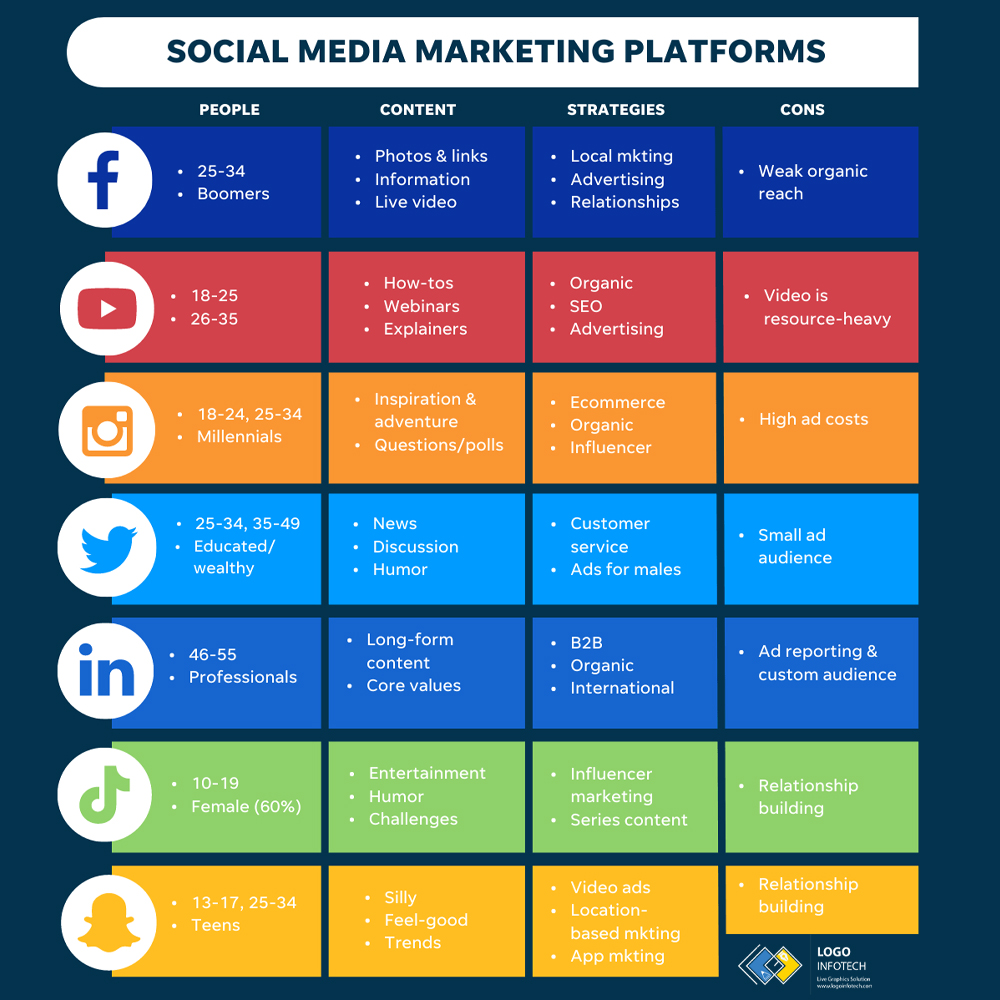
Step 4: Build a Strong Social Media Presence
One of the most affordable marketing strategies for small businesses is social media. Without spending a lot of money, it helps you boost traffic, engage customers, and raise awareness.
Select platforms according to the locations of your target audience:
- Pinterest and Instagram for visual brands
- LinkedIn for professional and business-to-business users
- Facebook as a platform for community involvement
- For video content, TikTok and YouTube
Make sure your material adds value, entertains, or informs. Polls, promos, client testimonials, brief videos, and behind-the-scenes pieces are all effective.
Make smart use of hashtags to increase discoverability, and keep a close eye on performance to see what appeals.
Checklist of actions:
Choose platforms that are appropriate for your target audience.
- Make comprehensive, branded profiles.
- Create a calendar of material.
- Make use of images, hashtags, and keywords
- Monitor participation and modify your approach.
Step 5: Use Email Marketing to Stay Connected
For small businesses, email marketing continues to be one of the digital channels with the highest return on investment. It enables you to create connections, communicate updates, and encourage recurring business.
Start with a neat, expertly designed email. Make your messaging feel relevant rather than generic by segmenting your audience. Instead of just promotions, concentrate on providing value—useful advice, exclusive deals, or significant updates.
Make sure emails work well on mobile devices and track results to make improvements over time.
Checklist of actions:
- Make templates for branded emails.
- Divide up your email list.
- Provide regular, worthwhile content.
- Whenever possible, personalise communications.
- Monitor clicks, conversions, and open rates.
Step 6: Invest in Content Marketing
Building trust, enhancing SEO, and establishing your company as an expert in your industry are all made possible by content marketing. Although blogging works well, it’s not the only choice.
Think about combining several content formats:
- Short articles and blog entries
- Reels and videos
- Visuals and infographics
- Audio content, such as podcasts
Relevance and consistency are crucial. To improve visibility, concentrate on subjects that are important to your audience and make sure your material is search engine optimised.
Checklist of actions:
- Examine audience interests and search terms.
- Make a content calendar that is practical.
- Create excellent, practical material.
- Make content more SEO-friendly
- Spread the word about your work across all platforms.
Step 7: Explore Online Advertising
Reaching specific audiences fast is possible with paid digital advertising. Websites such as Google, Facebook, Instagram, LinkedIn, and YouTube provide adaptable choices to accommodate various objectives and financial constraints.
Search ads, display ads, social media ads, video ads, and retargeting campaigns are examples of common forms. Start small, experiment with various messages, and closely monitor the outcomes.
Strong landing pages that direct users to a clear action are the foundation of effective advertisements.
Checklist of actions:
- Select platforms that support your objectives.
- Look up pertinent audiences and keywords.
- Write persuasive, lucid advertising text.
- Create captivating images
- Set spending limits and monitor conversions.
Final Thoughts: Start Simple and Stay Consistent
One of the most effective growth strategies for small businesses is digital marketing, but success takes time.
Prioritise progress over perfection. Gradually put these procedures into practice, maintain consistency, and adjust your strategy as you discover what works best for your company.
Your small business will expand along with your digital marketing strategy if you have a clear plan, consistent work, and the correct mindset.